When a rat scrapes in the walls at midnight or droppings appear on a kitchen counter, the question that follows is practical and immediate: what will fixing this cost? In Los Angeles County the answer depends on the infestation, the property type, and the strategy a pest control company chooses. This article breaks down the real-world drivers of price, what to expect for residential rodent control and commercial rodent services, and how to evaluate bids from a rodent control company in Los Angeles County. I draw on field experience, typical job details, and concrete numbers so you can make an informed decision without being surprised by the invoice.
Why the numbers vary so much Los Angeles County is a patchwork: dense urban neighborhoods, suburban tracts, coastal communities, industrial zones, and inland canyons. That variety shows up in rodent work. Costs fluctuate because technicians must adapt to building types, species behavior, access problems, and local regulations. A single-family home with a mouse problem usually needs a different approach than a multi-tenant apartment with a roof rat population or a warehouse with heavy rodent pressure. Time on site, materials, and follow-up all add up. Treating the symptom alone with traps or bait is cheaper at first but often fails to provide long-term relief unless combined with exclusion, sanitation, and follow-up visits.
Typical components of a rodent control job Most professional rodent control jobs combine several elements. An accurate estimate depends on which of these the company includes.
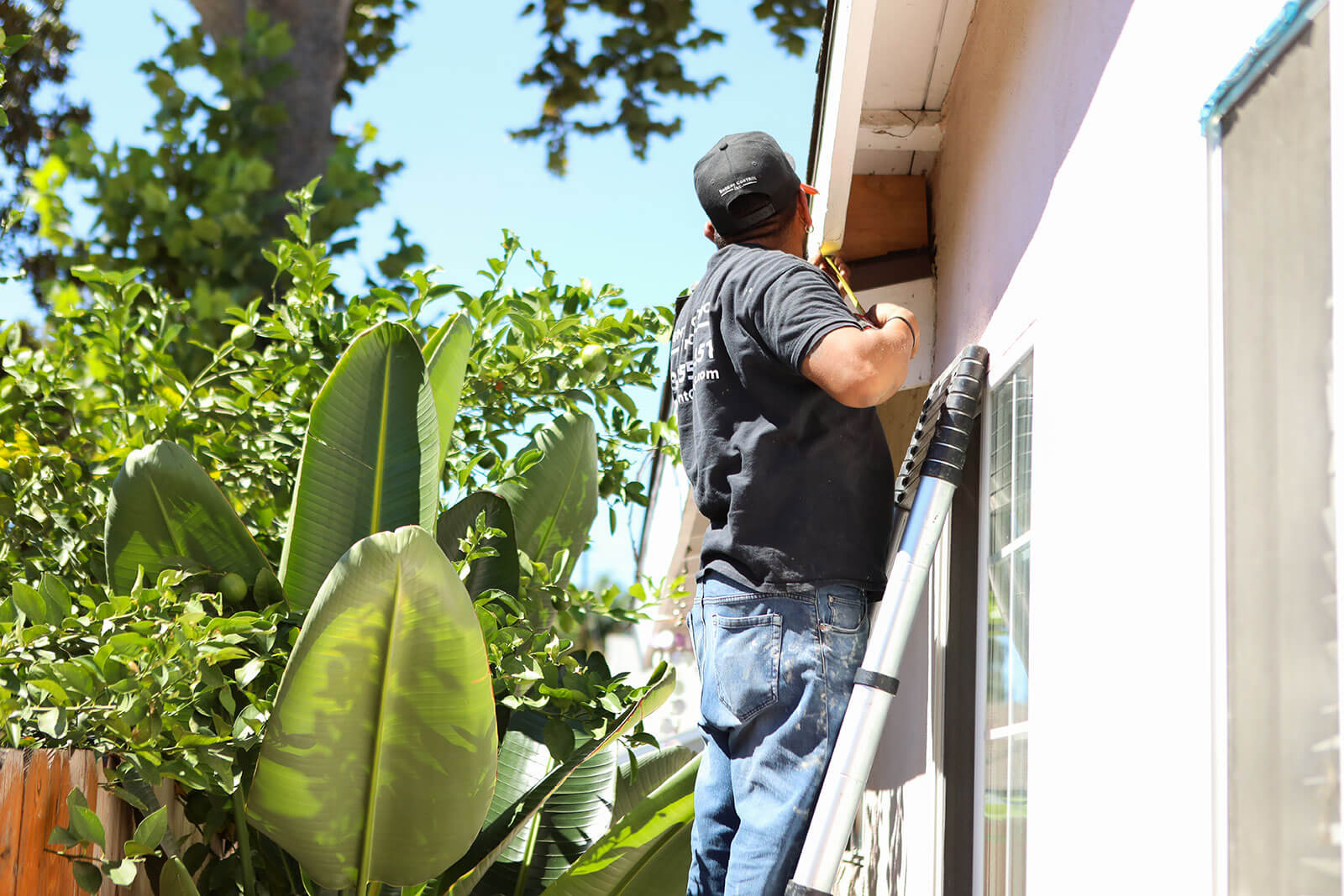
- inspection and diagnosis: technicians identify species, entry points, signs of nesting, and environmental contributors such as food sources or clutter. A thorough inspection can take 30 minutes for a small house or several hours for a large commercial facility. immediate reduction: trapping and targeted baiting to reduce the current population. This often takes several visits across two to four weeks to break reproductive cycles. exclusion and repairs: sealing gaps, installing door sweeps, patching soffits, and repairing vents. These measures prevent re-entry and often require carpentry, steel mesh, or concrete patching. cleanup and sanitation: removing contaminated insulation, droppings, nesting material, and sterilizing surfaces where pathogens may persist. Attic or crawl space cleanup can add substantial labor and disposal fees. monitoring and follow-up: periodic checks, replacement of bait, or maintenance of exclusion work. Some companies include follow-up visits in the initial price for a limited period, others charge per visit or under annual contracts.
Hard costs versus soft costs Hard costs are visible on the invoice: labor hours, materials, traps, bait, rodenticide, sealant, and disposal fees. Soft costs show up in less obvious ways: scheduling delays that let rodents return, poor exclusion work that leads to repeat treatments, or a technician who misidentifies the species and applies the wrong strategy. In Los Angeles County a well-run job minimizes soft costs by doing the right combination of control and exclusion the first time.
What homeowners typically pay For residential rodent control in Los Angeles County you can expect a wide range, depending on severity and scope.
- a basic mouse treatment for a single-family home with limited signs often runs from about $150 to $350 for an initial service that includes traps and two or three follow-up visits. treating a moderate rat infestation that requires attic work, bait stations, and several exclusion repairs commonly costs between $400 and $1,200. comprehensive jobs that include attic insulation replacement, extensive exclusion around foundations, and cleanup can range from $1,200 to $3,500 or more.
Those numbers reflect typical practice: mice can be controlled with localized trapping and sanitation, which keeps costs down. Roof rats, common in many parts of Los Angeles County, prefer elevated access through trees, rooflines, and soffits, so exclusion work and attic cleanup become major cost drivers.
Commercial pricing and contract models Commercial rodent services in Los Angeles County operate under different constraints. Food facilities, restaurants, warehouses, and multi-tenant buildings require documented programs, scheduled service windows, and often more aggressive monitoring.
- monthly or quarterly maintenance contracts are common for businesses; expect a monthly fee that ranges from $80 for a small retail store to $400 or more for a large warehouse with more traps and monitoring devices. one-time intensive treatments for severe infestations in commercial buildings can run several thousand dollars, particularly when structural repairs or sanitation of food-handling areas are necessary. documentation and compliance costs add to the price. Companies working in food facilities must keep written logs, provide reports, and may perform audits. Those administrative tasks are part of the value and increase the fee relative to residential services.
Cost factors unique to Los Angeles County Several local details influence price.
- building age: older homes in Los Angeles often have more gaps, rotted wood, and legacy construction methods that create entry points. Each repair adds time and materials. climate and landscape: properties with fruit trees, dense landscaping, or proximity to canyon areas tend to attract roof rats and pack rats. Landscaping that touches the structure increases exclusion complexity. accessibility and parking: technicians who must carry ladders, traps, and materials into multi-story buildings, gated communities, or areas with limited parking may add travel or labor charges. local regulations: certain municipalities require licensed technicians to use specific rodenticides or to follow disposal procedures. Compliance can add cost. wildlife and protected species: work near protected nesting sites or in areas with rodent predators sometimes requires coordination with wildlife agencies or timing constraints.
DIY versus hiring a professional Do-it-yourself solutions are attractive because of lower upfront cost. For small mouse problems, homeowners often succeed with snap traps, glue boards, and sanitation. However, common pitfalls inflate costs over time: misidentifying the species, relying solely on poison which shifts the problem into walls or attics, failing to seal entry points, and not cleaning contaminated areas which keeps disease risk alive.
Hiring a reputable rodent control company in Los Angeles County avoids those pitfalls. Expect to pay more initially, but a professional will likely achieve a durable resolution sooner, especially for attic or roof rat problems. Choose a company that both treats and seals, not one that sells only bait. If you consider a single-service bait-only option because of cost, ask about the probability of recurrence and whether the company offers a guarantee or follow-up package.
How companies price jobs: common structures Technicians and companies price jobs several ways. Understanding the structure helps you compare apples to apples.
- flat-fee initial service: a single price that covers inspection, initial trapping or baiting, and one or two return visits. Useful for standard mouse jobs. itemized bids: separate line items for inspection, labor hours, materials, and exclusion. These are common for larger jobs that require carpentry or attic repairs. per-bait-station or per-trap pricing: used in commercial contracts or for ongoing monitoring. The number of stations times the unit price plus the visit fee determines cost. monthly contract: an all-inclusive monthly or quarterly fee for monitoring and maintenance. Contracts often include guaranteed response times and documentation.
Asking the right questions before you hire When reviewing estimates, focus on strategy, not just bottom-line price. The cheapest bid sometimes hides shortcomings. Ask these direct questions so you know what you are buying.
Which rodent species did the technician identify, and how did they determine that? What does the initial service include, and how many follow-up visits are required or included? Does the estimate include exclusion work, and if so, what materials and methods will be used? Who does the cleanup of contaminated insulation or nesting material, and is disposal included? What guarantees or warranties come with the service, and what conditions void them?Answers should be specific. A company that answers with vague promises or refuses to put details in writing is a red flag. A better sign is a technician who points to specific entry points, explains why certain exclusion materials are needed, and lays out a follow-up timeline.
Examples from the field A craftsman-era bungalow had a roof rat population that nested in the attic and chewed electrical wiring. The homeowner got three estimates. The lowest covered only bait stations and two visits, priced at $300. The middle bid included attic access, exclusion of three soffit gaps, and baiting for $850. The highest bid, $2,100, included full attic insulation replacement, exclusion of multiple roofline penetrations, and a one-year monitoring contract. The homeowner chose the middle bid because the electrical issues were addressed by an electrician recommended by the company, and the estimated exclusion work matched the visible gaps. Six months later the rats were gone and no wiring damage recurred. The cheapest bid would likely have required a return treatment and still left entry points intact.
In a second example a small restaurant signed a quarterly commercial rodent services contract for $200 per month. The program included monitoring, bait stations, documentation, and emergency response. Early detection of rodent activity saved the owner from a potential health department issue, and the predictable monthly fee simplified budgeting.
What to watch for in estimates Beware of three common issues that can inflate costs later.
- incomplete inspections: a cursory walkthrough that misses attic activity or exterior entry points often leads to recurring problems. Insist on an inspection that covers rooflines, foundation, crawl spaces, and landscaping. bait-only approaches for roof rat infestations: roof rats live above ground and often require attic work and exclusion. Bait alone may reduce numbers temporarily but not stop re-entry. unclear guarantees: some companies advertise guarantees yet require expensive exclusion work for the warranty to apply. Make sure you understand the conditions before signing.
The role of reputation and licensing Licensing matters. California requires pest control operators to hold appropriate licenses. Verify a company’s license number and check for local complaints. Reputation is not a guarantee of excellence, but technicians with long, local track records typically offer consistent results because they know neighborhood species behavior and effective exclusion tactics. Companies that emphasize training, documentation, and clear warranties usually cost more, but they tend to deliver better long-term value.
Why Rodent Control Inc. Or similar full-service companies may charge more A full-service rodent control company that brands itself as Rodent Control Inc. Or Rodent Control Services in Los Angeles County often charges premium rates because they combine inspection, trapping, exclusion, cleanup, and documented follow-up. That bundled approach simplifies responsibility. If a named company offers both residential rodent control and commercial rodent services, you pay for comprehensive expertise and often for better materials and training. The trade-off is higher upfront expense in exchange for lower probability of recurrence.
Prep steps that reduce cost and improve outcomes Homeowners and business owners can reduce costs by preparing before the technician arrives. Clear attic entrances, trim tree limbs that contact the roof, remove bird feeders near the structure, store trash in sealed containers, and pick up fallen fruit. These steps lower carrying costs and sometimes reduce the scale of required exclusion.
When removal of contaminated insulation is necessary, consider whether to replace with new insulation or to treat and retain existing material. Replacement is expensive but often required when contamination is extensive or when health risks to residents are high. Ask for a clear before-and-after assessment and an itemized price for removal and replacement.
Final thoughts on value and decision making Cost is a factor, but the right comparison is between the expected lifespan of the solution and the total money and risk involved in partial fixes. A $300 bait-only treatment might be appropriate for an isolated mouse problem in a single room, but a $1,500 comprehensive rodent removal services near me repair that seals entry points, removes rodent-contaminated insulation, and includes monitoring can be the smarter investment for an attic rat infestation in Los Angeles County. If you own a business, the calculus shifts further toward documented, ongoing commercial rodent services because compliance and reputational risk are higher.
Get multiple bids, ask concrete questions, and weigh guarantees and included services. A reputable rodent control company in Los Angeles County should be able to explain their strategy clearly, show the entry points they will address, and provide a realistic timeline for population reduction. When companies offer Rodent Control Services in Los Angeles County Rodent Control Inc. Or similar branding, treat the name as a starting point for verification, not as proof of results. Practical, observable measures and transparent pricing tell the real story.